
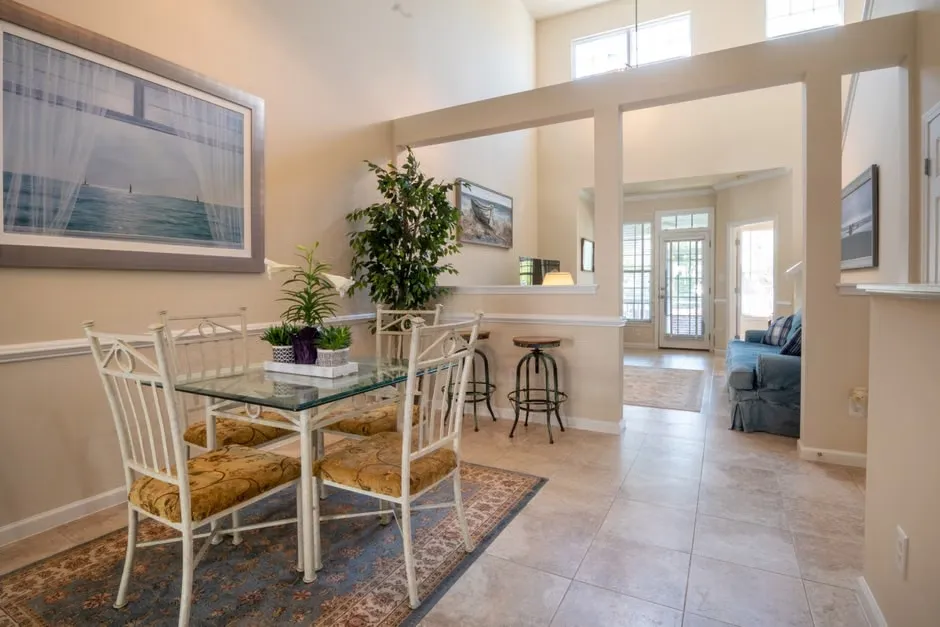
Home Furniture Calgary: Coordinate Living & Dining Spaces
Furnishing a home is easier when you stop thinking about each piece in isolation.
A sofa may look right on its own but feel oversized once dining furniture, occasional pieces and normal walking routes are added. The same problem can happen in reverse: a dining setup may fit comfortably until the living room furniture begins competing for the same open space.
For shoppers researching home furniture Calgary, the better approach is to plan the living and dining areas together.
That does not mean every piece needs to match. It means the furniture should work together in terms of size, proportion, layout, colour and everyday use.
Here is how to build a more coordinated home before you start buying.
Home Furniture Calgary Planning Starts With Measurements
Start with the rooms you already have.
Measure the usable length and width of both the living and dining areas. If the spaces are open-concept, measure the entire shared area and then identify where each functional zone should begin and end.
Pay attention to:
doorways and entrances
windows
heating vents
kitchen islands and counters
fireplaces
television placement
major walkways
existing furniture you plan to keep
the route furniture will take during delivery
The goal is not simply to determine whether a sofa or dining setup physically fits.
You also need enough usable space for people to move through the home comfortably.
Painter's tape can help. Mark the approximate footprint of larger pieces on the floor before committing. This makes it easier to judge how much room will remain once the furniture is actually in place.
Start With the Largest Furniture Pieces
The biggest items usually determine how the rest of the room works.
In the living room, that will often be the sofa.
In the dining area, the main dining setup usually establishes the centre of the space.
Choose those larger pieces first before filling the remaining areas with smaller furniture.
This helps prevent a common mistake: buying several attractive pieces individually and later discovering that they overwhelm the room when combined.
Think of the process as:
large furniture first → room layout second → supporting pieces last
That creates a more deliberate setup.
Plan the Living Room Around the Sofa
Your sofa is likely to control much of the living-room layout.
Before choosing one, consider what the seating area should face. Depending on the room, that might be a television, fireplace, window or conversation area.
Then look at movement.
The sofa should not create an unnecessary obstacle between entrances or force people to constantly walk around it.
If you are still choosing the main seating piece, our Sofa Calgary Buying Guide explains how to compare sofa dimensions, comfort, room fit and access before buying.
Once the sofa position is established, smaller pieces become easier to plan.
Coordinate the Dining Area With the Living Room
The dining area should feel connected to the living space without becoming an extension of it.
This matters particularly in open-concept homes where both areas are visible at the same time.
Look at the scale of the largest pieces.
If the living area contains substantial furniture, very small dining furniture may look visually disconnected. At the same time, putting oversized furniture into both spaces can make the entire floor plan feel crowded.
Balance matters more than exact matching.
Our guide to Dining Room Furniture in Calgary goes deeper into dining-room measurements, seating requirements and planning comfortable space around the dining area.
How Should Living and Dining Furniture Work Together?
A coordinated room does not require one furniture set copied across the entire home.
Instead, look for relationships between the two areas.
That might involve:
Similar visual weight
Furniture does not need identical dimensions, but pieces should feel appropriately scaled relative to one another.
Complementary finishes
Wood tones, fabrics and finishes can relate to one another without being exactly the same.
Repeated design elements
Similar shapes, materials or subtle colour relationships can visually connect two spaces.
Consistent overall direction
A highly traditional dining area placed immediately beside an extremely minimalist living room can sometimes feel disconnected unless something ties the spaces together.
The goal is consistency, not duplication.
A home can look more natural when the rooms feel related without appearing as though every piece came from one matching set.
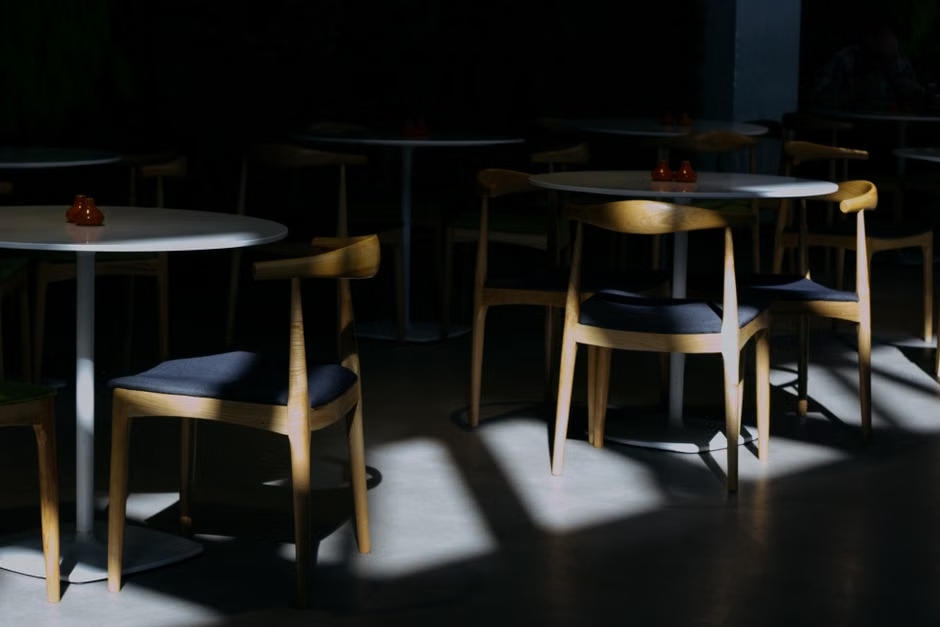
Protect the Walkways Between Rooms
Furniture placement should support the way people naturally move through the home.
This becomes particularly important when coordinating living and dining spaces because the main path between the kitchen, dining area and living room often crosses several furniture zones.
Instead of following one rigid clearance number, test the real layout.
Ask:
Can people walk between rooms comfortably?
Can dining chairs move without blocking the main path?
Can someone walk around the sofa without squeezing through?
Can doors and cabinets open normally?
Can several people use the space at once?
A strong home furniture Calgary plan should consider those practical movements before appearance alone.
Don't Fill Every Empty Area
Open floor space has value.
A common furnishing mistake is assuming every empty corner needs another table, chair or decorative piece.
It does not.
Leaving some areas open can make furniture easier to appreciate and make the room easier to use.
This matters particularly with occasional furniture.
Coffee tables, side tables and similar pieces should serve a practical purpose rather than simply filling space.
Best Deal Mattress currently lists Occasional among its furniture categories, so customers furnishing living spaces can ask the showroom about current options.
Think About Furniture Height and Visual Balance
Furniture height affects how spacious or crowded a room feels.
For example, several tall or visually heavy pieces grouped together can dominate the space.
Consider:
sofa back height
dining furniture height
windows
lighting
nearby cabinets
sightlines between rooms
In an open-concept layout, you often want to preserve visual connection between areas.
That does not mean everything has to be low-profile. It means understanding how larger pieces affect what you can see across the room.
Coordinate Colour Without Making Everything Match
Matching every finish exactly can make a home feel overly staged.
Instead, work with a smaller group of complementary colours and materials.
For example, one wood tone may appear in the dining area while another nearby piece uses a slightly different finish that still works with the overall palette.
Upholstery can introduce colour and texture without requiring the dining furniture to repeat the exact same tone.
When comparing Calgary home furniture, think about the room as a collection rather than a catalogue set.
The question should be:
Does this new piece work with what I already have?
not:
Is it identical to everything else?
Plan for Everyday Use, Not Only Appearance
A showroom or online photograph presents furniture in ideal conditions.
Your home has to work every day.
Consider how people actually use the rooms.
A household with children or pets may prioritize different materials and layouts than someone furnishing a lightly used formal room.
Someone who regularly hosts guests may value flexible seating.
Another household may prefer more open floor space and fewer furniture pieces.
Think about:
how many people regularly use the room
how often you entertain
whether children or pets use the furniture
cleaning and maintenance
storage requirements
how often furniture is moved
whether the dining area serves additional purposes
Furniture should support your lifestyle rather than forcing your lifestyle to adapt to the furniture.
Don't Forget Delivery Access
The room may be large enough for the furniture while the route to the room is not.
Before buying larger items, measure:
exterior doors
interior doors
hallways
staircases
landings
sharp corners
elevators where applicable
This is especially important for sofas and other larger pieces.
If you live in a condominium or apartment building, also check whether furniture deliveries require elevator reservations, loading access or specific delivery procedures.
Planning access before purchasing can prevent a major problem later.
Why Seeing Furniture in Person Can Help
Measurements tell you whether something can fit.
They do not always tell you how large it will feel once you are standing beside it.
Seeing furniture in person can make it easier to judge:
actual proportions
colour and finish
seating comfort
depth
height
overall visual weight
It also gives you the opportunity to compare several options rather than making a decision from isolated product images.
Compare Home Furniture Calgary Options at Best Deal Mattress
If you are comparing home furniture Calgary options, Best Deal Mattress provides a local Calgary showroom where customers can ask about current furniture availability.
The business currently lists Sofas, Dining and Occasional among its product categories.
Best Deal Mattress
4250 109 Ave NE #3140
Calgary, AB T3N 1Z3
Phone: 825-994-0242
Email: [email protected]
If you are looking for a particular furniture type, size or configuration, contact the store before visiting to confirm what is currently available.
Common Home-Furnishing Mistakes to Avoid
Buying before measuring
Furniture can look much smaller in a large showroom than it will inside your home.
Choosing every piece separately
Consider how new furniture relates to the rest of the room.
Overfilling open-concept spaces
You do not need to use every available section of floor space.
Ignoring normal walkways
A beautiful room becomes frustrating if people cannot move through it comfortably.
Matching everything exactly
Coordination is usually more natural than perfect matching.
Forgetting the delivery route
Measure the path to the room, not just the room itself.
Prioritizing appearance over everyday use
The furniture still needs to function comfortably for the household.
Frequently Asked Questions
Should living and dining furniture match?
Not necessarily. The furniture can use different styles or finishes while still feeling coordinated through proportion, colours, materials or other repeated design elements.
What should I buy first when furnishing an open-concept space?
Start with the largest pieces that will define each area. This often means determining the main sofa position and dining zone before purchasing smaller occasional furniture.
How do I know if furniture is too large for my home?
Mark the approximate footprint on the floor and test normal movement through the room. If important walkways, doors or surrounding furniture become difficult to use, the piece may be too large.
Should I choose my sofa before occasional furniture?
Usually, establishing the sofa first makes it easier to determine what supporting pieces will fit comfortably around the seating area.
Where can I compare home furniture in Calgary?
Best Deal Mattress lists Sofas, Dining and Occasional furniture among its current categories. You can visit the showroom at 4250 109 Ave NE #3140, Calgary, call 825-994-0242, or email [email protected] to ask about current availability.
Build the Room as a Whole
Good furniture planning is less about finding individual pieces that look impressive and more about making sure everything works together.
Start with accurate measurements.
Choose the largest furniture first.
Protect normal walkways.
Coordinate scale, colours and materials without forcing every piece to match.
Then use smaller furniture to complete the room rather than overcrowding it.
If your home furniture Calgary search includes sofas, dining or occasional furniture, visit Best Deal Mattress at 4250 109 Ave NE #3140, Calgary, AB T3N 1Z3, call 825-994-0242, or email [email protected] to ask about current options.


